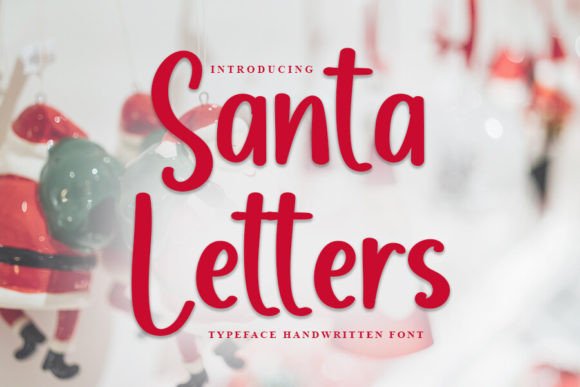
Santa Letters: The Script Handwritten Font for Branding
Santa Letters, Script Handwritten, and Fonts became the unexpected heroes of my small business rebrand last autumn. I run a boutique candle shop, and for years, I struggled to make my packaging feel as warm and inviting as the scents inside the jars. My labels looked generic, lost in a sea of identical minimalist designs on social media feeds. I needed something that felt personal, crafted, and distinctly human. That is when I discovered Santa Letters. It is not just a typeface; it is a design asset that bridges the gap between professional polish and handmade charm.
Transforming Product Packaging with Soft Touch Typography
Santa Letters, Script Handwritten, and Fonts offer a visual language that speaks directly to customers who value authenticity. When I first applied this font to my new lavender and vanilla candle labels, the change was immediate. The description notes that Santa Letters Is a beautiful and attractive font. Fonts created with a soft touch, unique and distinctive from a stroke, have a good meaning and meaning for the future. Has many characters that can be utilized to create a cohesive look. This "soft touch" is exactly what my brand was missing. Unlike rigid, geometric sans serif fonts that can feel cold or corporate, this script font wraps around the label like a handwritten note from a friend.
The distinctive strokes give each letter a personality that feels organic rather than manufactured. For a small business owner, this distinction is crucial. It helps your product stand out on a crowded shelf or in a quick-scrolling Instagram feed. The font’s ability to convey warmth makes it ideal for industries where trust and comfort are paramount, such as skincare, baked goods, home decor, and wellness products. By using a typeface that mimics the natural flow of handwriting, you signal to your customers that care went into every detail of their purchase.
Elevating Social Media Graphics and Digital Ads
Santa Letters, Script Handwritten, and Fonts are incredibly versatile for digital marketing materials. In today’s visual-first economy, your social media graphics need to stop the scroll. I started using this font for my weekly quote cards and promotional announcements. The results were striking. The unique and distinctive stroke work ensures that even short phrases pop against busy backgrounds. Whether you are creating stories for Instagram, pins for Pinterest, or banners for your online shop, this font adds a layer of sophistication that standard system fonts simply cannot match.
Because Santa Letters has many characters that can be mixed and matched, you can create dynamic layouts without feeling repetitive. I often pair it with a clean, modern sans serif font for body text to ensure readability while letting the script shine in headlines. This contrast creates a balanced hierarchy that guides the viewer’s eye naturally. For entrepreneurs who manage their own marketing, having a font that looks professional yet approachable simplifies the design process. You do not need to be a graphic designer to create stunning visuals; you just need the right tools. This creative font acts as that tool, turning simple text into compelling visual content.
Building Consistent Brand Identity Across Touchpoints
Santa Letters, Script Handwritten, and Fonts help unify your brand identity across various platforms. Consistency is key to building recognition. When a customer sees your logo on a website, then again on a thank-you card, and finally on the product packaging, those visual cues should connect seamlessly. I used Santa Letters for my logo redesign, my website headers, and my printed invoices. The result was a cohesive brand experience that felt intentional and polished. This consistency builds trust. Customers perceive a brand that pays attention to typography as one that pays attention to quality overall.
The font’s versatility allows it to work well in both large display settings and smaller accents. For logo design, its distinctive strokes create a memorable mark. For editorial design elements like blog headers or newsletter titles, it adds a touch of elegance. Even in web design, when used sparingly for call-to-action buttons or section dividers, it enhances the user experience by breaking up blocks of text with visual interest. By adopting a single, strong typeface family for your primary branding elements, you reduce decision fatigue and ensure that every piece of collateral reinforces your brand’s personality.
Practical Readability and Font Pairing Strategies
Santa Letters, Script Handwritten, and Fonts require thoughtful application to maintain readability. While the soft touch is appealing, script fonts can sometimes be challenging to read at very small sizes or on low-resolution screens. I learned to use Santa Letters primarily for headlines, short phrases, and decorative accents rather than long paragraphs of body copy. For product labels, I kept the font size generous and ensured high contrast between the text and the background. This approach preserves the aesthetic appeal without sacrificing functionality.
Pairing this script font with complementary typefaces is essential for a balanced look. I found that pairing it with a neutral sans serif font works best for modern, clean aesthetics. If you are aiming for a more vintage or romantic vibe, an elegant serif font can provide a lovely counterpoint. The key is to let Santa Letters take center stage as the decorative element while using simpler fonts for informational text. This strategy ensures that your design remains accessible and easy to navigate, which is critical for conversion rates in e-commerce and engagement in social media.
Licensing and Commercial Use for Entrepreneurs
Santa Letters, Script Handwritten, and Fonts must be used in compliance with their licensing terms. Before integrating any new typeface into your commercial projects, it is vital to check the included styles, file formats, and commercial font licensing details. As a business owner, I always verify that the font license covers my intended uses, such as product packaging, merchandise, client work, and digital downloads. Using a properly licensed premium font protects your business from legal issues and supports the designers who create these valuable assets.
Additionally, checking for multilingual support and alternate characters can expand your design possibilities. If you plan to sell internationally or cater to diverse audiences, ensuring the font supports the necessary character sets is a smart move. Many high-quality script fonts include ligatures and alternates that allow for greater customization. Exploring these features can help you create unique variations of your logo or headings, keeping your brand visuals fresh and engaging over time. Investing in the right commercial font is an investment in your brand’s longevity and professionalism.